
Disneyland Paris is not the same as the parks back home, and that is the first thing you need to know. The castle is smaller, the crowds behave differently, and the food tastes like France. If you are planning a trip, the research that pays off comes from people who have already been there—not from the marketing.
What Makes Disneyland Paris Different
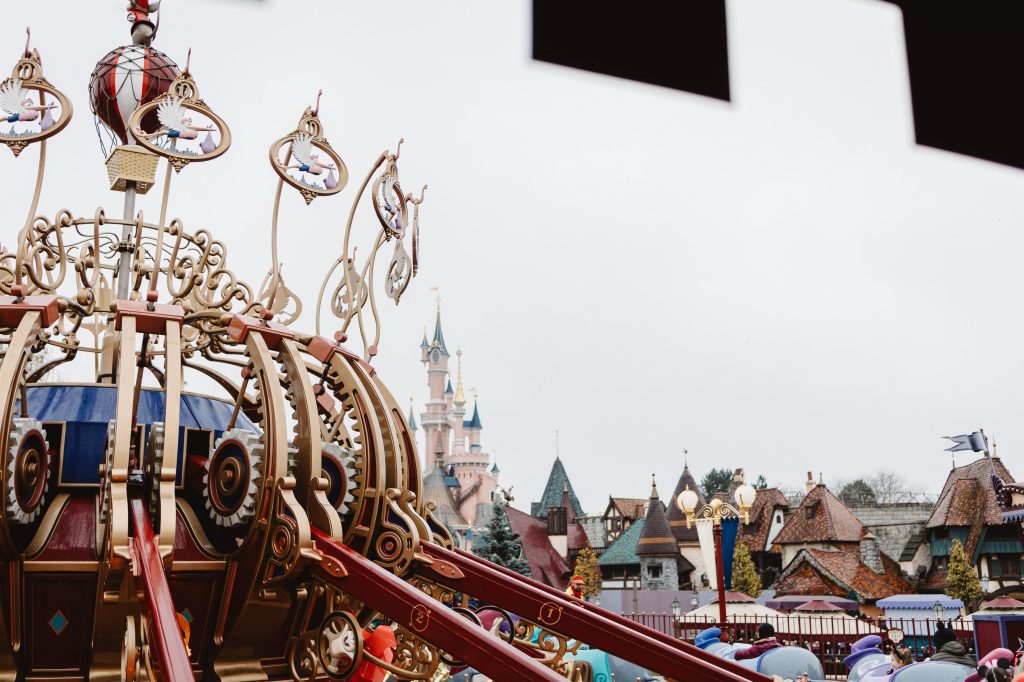
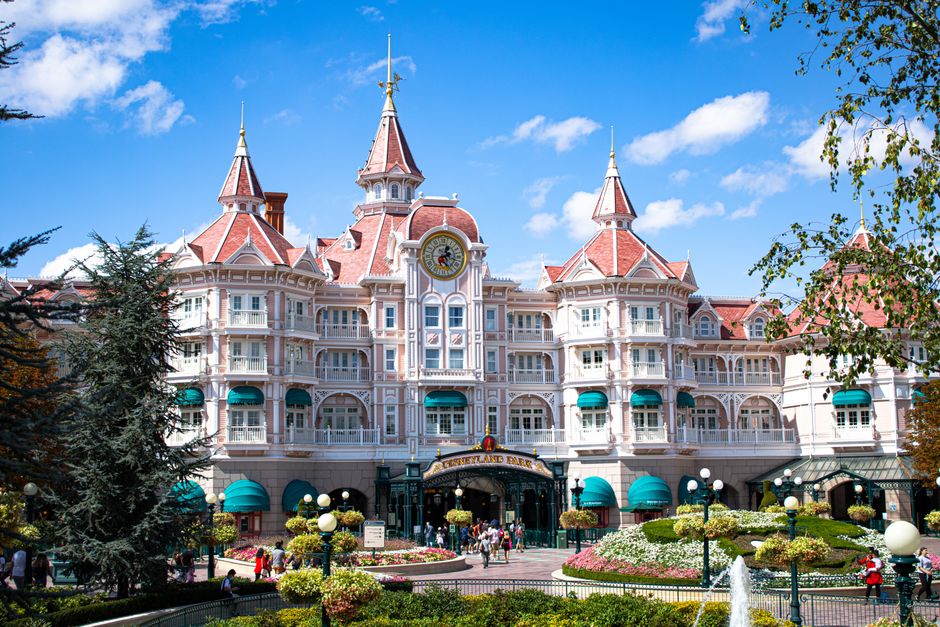
Disneyland Paris sits about 20 miles east of central Paris and consists of two parks: Disneyland Park and Walt Disney Studios Park. The original park opened in 1992 and still carries the imprint of a European vision of Disney. The castle is Château de la Belle au Bois Dormant—Sleeping Beauty’s castle—and it is noticeably smaller than Cinderella’s in Florida or Magic Kingdom. That is not a flaw; it is just the reality.
The park runs year-round, but the crowds and weather shift dramatically by season. Summer is peak season, packed with European families on school holidays. Winter is quieter but colder and shorter on daylight. Spring and early fall are the sweet spots: fewer people, mild weather, and most attractions running at full capacity.
When to Visit Disneyland Paris
Timing matters more here than at most Disney parks. If you want to avoid the worst crowds, skip July and August. French schools close then, and the park becomes nearly impossible to navigate between 11 a.m. and 4 p.m. Christmas week is also brutal.
April through early June is ideal. The weather is warm, school holidays have not started, and the park is decorated for spring. September and early October work too, especially after Labor Day when American tourists thin out but European summer holidays have ended.
Winter is worth considering if you tolerate cold. November through early December has manageable crowds, though the park closes earlier each day. January and February are the quietest months, but temperatures hover around 40°F, and some attractions close for maintenance.
Practical Logistics Before You Arrive
You will need a valid passport to enter France. Check the current entry requirements for Europe well before your trip, as rules change. Most Americans do not need a visa for short stays, but confirm this for your citizenship.
The park is accessible by train from Paris in about 45 minutes. The RER Line A runs directly from central Paris to the park entrance. If you are flying into Paris, you can take the train from Charles de Gaulle or Orly airport. Renting a car is not necessary and adds expense; public transit is reliable and cheaper.
Book your hotel early. On-property Disney hotels fill up months in advance, especially during school holidays. Off-property options in nearby Marne-la-Vallée are cheaper but require a short commute. Many travelers stay in Paris itself and take the train, which gives you access to the city and spreads your hotel costs across the full trip.
What Clients and Travelers Say Works
People who have visited consistently mention a few things that made the difference. First: download the Disneyland Paris app before you arrive. It shows wait times, lets you book Lightning Lane equivalents (called Individual Lightning Lane), and has the full park map in English. The app is essential, not optional.
Second, arrive at park opening. The first two hours are genuinely quieter. If you have a hotel on property, you get early entry 30 minutes before the official opening time. That head start is worth the premium price for many families.
Third, eat lunch early or late. The restaurants hit capacity between noon and 1:30 p.m. Eat at 11:15 a.m. or after 2 p.m., and you will avoid long waits. The food is good—it is French-influenced Disney—but portions are smaller than in American parks, and prices are higher. Budget accordingly.
Fourth, bring comfortable walking shoes and break them in first. Disneyland Paris is spread out, and the pavement is harder on your feet than American parks. Blisters will ruin a day faster than anything else.
Money and Budgeting
Disneyland Paris is expensive. A one-day ticket runs 90–180 euros depending on the season. Two-day tickets are around 160–280 euros. Prices are higher during peak periods and lower during off-season. On-property hotel rooms start around 150 euros per night for value options and climb quickly from there.
Food is pricey. A quick-service meal costs 12–18 euros. Table-service restaurants run 25–60 euros per entree. A family of four can easily spend 100+ euros on food in a single day. Bring snacks and refillable water bottles to cut costs.
The park charges for parking if you drive (25 euros per day). If you stay on property or use public transit, you avoid this. Plan your budget to include the train fare from Paris or the airport.
The Language Question
English is spoken in the park, especially at attractions and restaurants, but signage is primarily in French. Bring a translation app or learn a few key phrases. “Où sont les toilettes?” (Where are the bathrooms?) and “L’addition, s’il vous plaît” (The bill, please) go a long way. Staff are accustomed to English-speaking tourists and patient with language barriers.
One Thing to Reconsider
If you have limited time and have never been to a Disney park, consider whether Disneyland Paris is the best use of your vacation days. The park is wonderful, but it is smaller than Magic Kingdom and less polished than Tokyo Disneyland. If you are traveling from the United States, you might get more for your time and money at a domestic park unless you are already planning a Paris trip for other reasons.
That said, if you love Disney and want to experience a different version, or if you are in Europe anyway, Disneyland Paris is worth the visit. The atmosphere is distinct, the castle is charming, and the European guests bring a different energy to the park.
For detailed planning help—from booking your hotel to coordinating your Paris stay with the park days—talk to one of our travel advisors. We work with Disney specialists who know this park inside and out.