

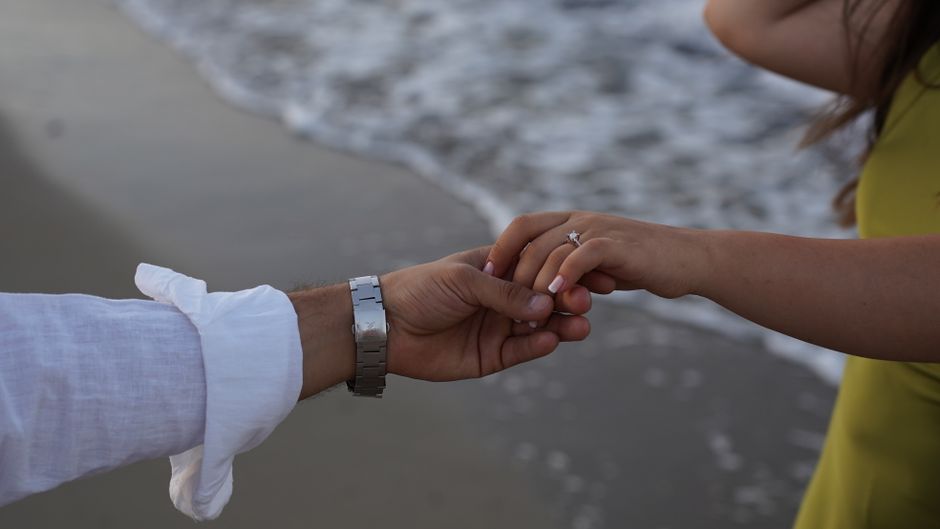
For engaged couples weighing a wedding abroad, the first real decision isn’t the beach or the dress — it’s whether the ceremony will be legally binding where you say your vows, or symbolic, with the legal paperwork handled at home. That one choice shapes your timeline, your budget, and how much paperwork lands on your desk in the next year.
Decision One: Legal or Symbolic?
A legal ceremony abroad makes you officially married under that country’s laws. It’s possible almost everywhere, but the rules vary by country and even by town, and deadlines can be strict.
A symbolic ceremony looks and feels exactly like a wedding — vows, officiant, dress, first kiss — but isn’t legally binding there. You sign the real paperwork at home, usually at the courthouse a few days before or after you travel. Many couples choose this route because it removes the foreign documents, translations, and apostille deadlines entirely.
What a Legal Ceremony Can Involve
Requirements shift often, and resorts layer their own rules on top. A few patterns worth knowing:
- Mexico: blood tests are common, and the Riviera Maya and Cancun coast is the most paperwork-heavy part of the country, often needing three to four business days of residency and apostilled documents. Same-sex marriage is legal nationwide, including Riviera Maya, Puerto Vallarta, and Los Cabos.
- Dominican Republic: no residency requirement, but apostilled and translated documents are usually due 30 to 60 days ahead.
- Italy: no minimum residency to marry, though some municipalities ask for a declaration two to three business days before the wedding. Only civil or Catholic ceremonies count legally; other religious ceremonies do not.
- France: one partner must reside in the marrying town for 40 days before the ceremony, which rules it out for most couples planning a short trip.
- Bali: marriage requires both a religious ceremony and civil registration, with documents depending on faith — this is why so many couples there hold a symbolic ceremony and register legally at home.
If you do marry legally abroad, you’ll usually need to register or authenticate the certificate once you’re home, and that document can take weeks to arrive. The U.S. State Department keeps country-specific guidance on marriage abroad and is worth checking before you set a date.
Choosing the Destination
The right destination depends on your guests as much as on you. A short, direct flight from most of their home airports means more people actually show up. If children are coming, an adults-only resort is off the table — that’s one reason our Sandals versus Beaches comparison matters more than it looks.
Hawaii, Puerto Rico, and the U.S. Virgin Islands are popular with engaged couples who want an international feel without a passport requirement for U.S. guests. If Hawaii is on your list, our guide to which island fits your group is a good next stop.
Heading to Europe instead? Two new entry rules matter now. The UK’s Electronic Travel Authorisation has been required since February 2026 for visa-exempt visitors, including every guest regardless of age. The EU’s ETIAS system is expected to launch in the last quarter of 2026, with full enforcement roughly a year later — our breakdown of the new Europe requirement covers what to tell your guests before you send invitations.
The Timeline
Give yourself 12 to 18 months from the first booking to the wedding day. Lock the destination and resort, set a date, and reserve a room block first. Send save-the-dates with booking details at 9 to 12 months, so guests can request time off and start budgeting. Finalize your package and vendors at 6 to 9 months, and start legal paperwork then if you’re marrying there.
Formal invitations go out 3 to 4 months ahead, once bookings and the room block are confirmed. In the final month, you’ll lock the timeline, menu, music, and seating with the resort’s coordinator. Arrive a few days early — it buys you room to handle any legal requirements and simply rest before the day.
Room Blocks, Packages, and the Extras That Add Up
A room block holds guest rooms at a set rate, but read the contract. Attrition clauses can require a minimum number of bookings, and unbooked rooms return to the resort on a release date. Many resorts offer a free or discounted wedding package once enough rooms are booked, so the block is worth managing carefully.
Most wedding packages cover the officiant, a ceremony spot, simple décor, cake, and a coordinator. Watch for outside vendor fees if you bring your own photographer or stylist, venue fees for a private beach or rooftop, and day-pass fees for guests not staying at the resort. Popular dates also book out early, since many resorts allow only a few weddings per day.
Protecting the Trip
Travel insurance for you and your guests is worth asking about, including coverage for trip cancellation and interruption — our guide to choosing travel insurance walks through what to look for. Wedding-specific insurance can separately cover vendor no-shows or damaged attire. Build a rain plan for every outdoor element, and carry the dress, rings, and important documents on the plane instead of checking them.
If Mexico is on your shortlist, our on-the-ground resort reviews cover which properties handle wedding groups well.
The Short Version for Engaged Couples
- Decide legal or symbolic first — symbolic is simpler for most groups.
- Pick a destination your guests can actually reach.
- Start 12 to 18 months out and send save-the-dates early.
- Read the room block contract before you sign anything.
- Budget for outside vendor and venue fees on top of the package price.
- Protect the trip with insurance and a backup plan for outdoor moments.
A destination wedding advisor compares resorts and fine print side by side, negotiates your room block, and handles guest questions about flights and payments so you don’t have to. Talk to one of our advisors before you put down a deposit.