
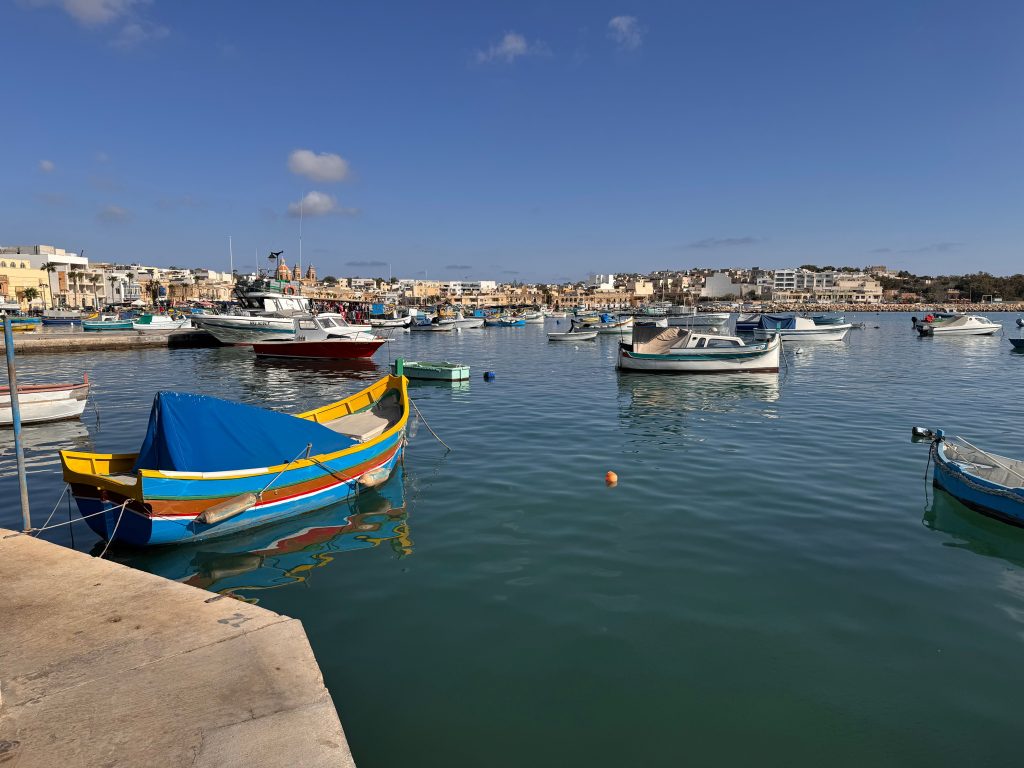
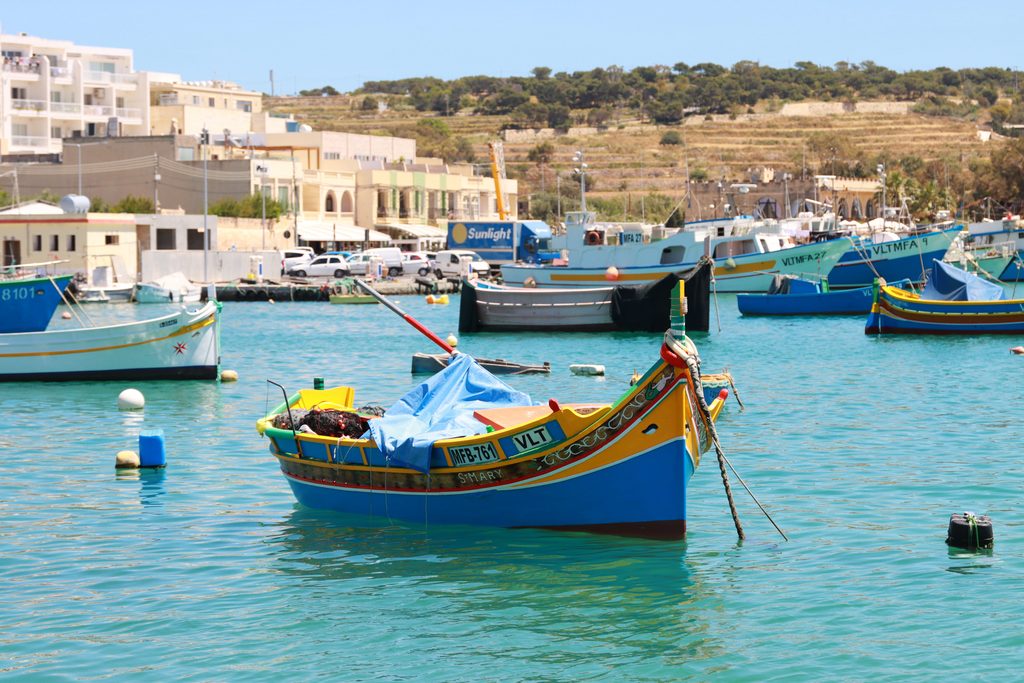
Is Malta worth visiting? Yes, if you want 7,000 years of history, honey colored fortified cities and some of the clearest water in the Mediterranean packed into an island smaller than most American cities. It is not the right fit for everyone, so here is an honest look at both sides before you book.
Malta at a Glance
Malta sits in the middle of the Mediterranean, about 60 miles south of Sicily. The country is really three islands: Malta itself, which is the largest and busiest; Gozo, which is greener and slower; and tiny Comino in between.
The whole country covers about 122 square miles, so nothing is far from anything else. Maltese and English are both official languages, and English is spoken everywhere, which makes Malta an easy first stop in Europe if you have never traveled there before. The currency is the euro, and driving is on the left, a holdover from British rule.
Why People Love Malta
Malta’s history goes back further than almost anywhere in Europe. The megalithic temples at Ġgantija on Gozo predate Stonehenge and the pyramids of Giza. The Ħal Saflieni Hypogeum, an underground burial complex carved more than 5,000 years ago, limits visitors to 80 a day in groups of 10, so tickets sell out months in advance.
Valletta, the capital, was built by the Knights of St. John after they survived the Great Siege of 1565. The entire city is a UNESCO World Heritage Site, compact enough to walk in an afternoon, with baroque churches and harbor views at every turn. Inside St. John’s Co-Cathedral hangs Caravaggio’s The Beheading of Saint John the Baptist, the only painting he ever signed.
Mdina, the old walled capital known as the “Silent City,” is quiet and atmospheric once the day visitors clear out in the evening. The water around the islands is famously clear, and Malta ranks among the best dive destinations in the Mediterranean, with wrecks, caves and reef dives for every skill level. Gozo, a 25 minute ferry ride away, is slower and more rural, with villages, salt pans and cliffs worth an overnight.
Don’t leave without trying pastizzi, flaky pastries filled with ricotta or peas, rabbit stew, and a cold Cisk beer.
The Honest Downsides
Summer brings intense heat and the biggest crowds, especially in July and August. The Blue Lagoon off Comino is as blue as advertised, but it gets packed in peak season, and visitors now have to book a free time slot online before they go. Go at sunrise, or see it from a boat instead.
Sandy beaches are in short supply. Most of the coastline is rocky, though Golden Bay, Mellieħa Bay and Ramla Bay on Gozo are the exceptions worth seeking out. Malta is also one of the most densely populated countries in Europe, so traffic and construction can wear on you in the busier towns.
There are still no direct flights from most of the US. Delta now flies nonstop between New York JFK and Malta, but that route runs June through October only, so for the rest of the year you will connect through a European hub like Rome, London or Frankfurt.
Who Malta Is Right For
Malta is a strong match if you love old cities and archaeology, if you dive or snorkel, or if you want an easy, English speaking corner of Europe to ease into. It also works well for anyone who wants more than a single port day on a Mediterranean cruise, since Valletta’s Grand Harbour is a regular call. See our guide to European cruise ports and seasons if you are weighing Malta against other stops.
It is probably not the best fit if you want long, wide sandy beaches, if you can only travel in midsummer and don’t love heat, or if you are chasing a quiet, untouched island at every turn.
When to Go
- April to June: warm, sunny, green, and fewer crowds than summer. One of the best windows to visit.
- July and August: hot and lively, great for beach clubs, tougher for sightseeing.
- September to October: warm sea, softer heat, calmer crowds. The other best window.
- November to March: mild, quiet, and good rates, ideal for history and city walks even if a few days are cool or windy.
How Long to Stay
Two to three days covers Valletta, Mdina and a boat trip. Four to five days lets you add a full day or overnight on Gozo plus a day on the water. A full week gives you room for diving, the temples and slower days by the sea. Malta also pairs easily with Sicily, a short flight or ferry away.
What to Know Before You Go
US citizens can currently visit Malta visa-free for up to 90 days within any 180-day period. The EU’s ETIAS pre-registration system has not launched yet, despite plenty of blog posts claiming a firm 2026 date, so don’t plan around a specific start date or fee until it’s officially confirmed. Check travel.state.gov closer to your trip for the latest.
Do bring a passport issued within the last 10 years that stays valid for at least three months past your departure from the Schengen area. First-time visitors should also expect a few extra minutes at the border for biometric registration under the EU’s new entry system.
One more line-item to plan for: Malta’s tourist eco-contribution tripled as of July 2026, to €1.50 per person per night for anyone 18 or older, capped at €22.50 per visit. It’s a small cost, but worth building into your budget.
Tips for Your Visit
- Book the Hypogeum as soon as your dates are set, ideally three months ahead.
- Reserve a Blue Lagoon time slot if Comino is on your list.
- Stay in or near Valletta or Sliema for easy sightseeing, ferries and dining.
- Spend at least one night on Gozo to see its slower side.
- Use ferries, buses and ride apps rather than renting a car, especially if you’re not used to driving on the left.
So, Is Malta Worth Visiting?
If you love history, clear water and walkable old cities, yes, without much hesitation. Visit in spring or fall, give yourself at least four days, spend some of that time on Gozo, and go in with realistic expectations about beaches and crowds. Malta rewards travelers who come curious and aren’t in a hurry.
If you’d like help building Malta into a larger Mediterranean itinerary or cruise, talk to one of our advisors and we’ll help you map it out.